

Best Foot Massager: How to Choose the Right One for Your Home
Choosing the best foot massager can feel harder than it should. There are compact foot-only models, larger leg-and-foot machines, handheld tools, heated options and simple rollers, and each one is made for a different kind of home, space and routine. A good choice is not always the largest or the most expensive one. It is the one that fits where you live, how often you plan to use it, and what kind of massage experience you enjoy at the end of a long day.
This guide explains the main types of foot massagers, the features that matter most, and the practical questions to ask before you buy. It is general information only, and it is meant to help you compare options with confidence, not to make a choice for you. If you are looking for a simple evening ritual, a gift for someone who is on their feet all day, or a new part of your self-care shelf, the ideas below will help you narrow the field.
What counts as a foot massager?
A foot massager is a device made to massage the feet, and in some models the lower legs as well. Some use rotating or kneading heads under the feet. Others use air pockets that gently squeeze and release around the feet. Some add a heat setting, a timer, or a remote control. Handheld models use a handle and a head that you move yourself, which gives you more control over where the massage is applied. Foot baths are a different category again: they hold warm water and are used as a soak, rather than as a mechanical massage.
The best foot massager for one household may be too large for another. Measure the space where you plan to keep it, including storage space under a bed or in a cupboard, before you fall in love with a particular model. A smaller device that is easy to reach for is often used more often than a larger one that stays in a box. That simple point is worth remembering through the rest of this guide.
The main types of foot massager
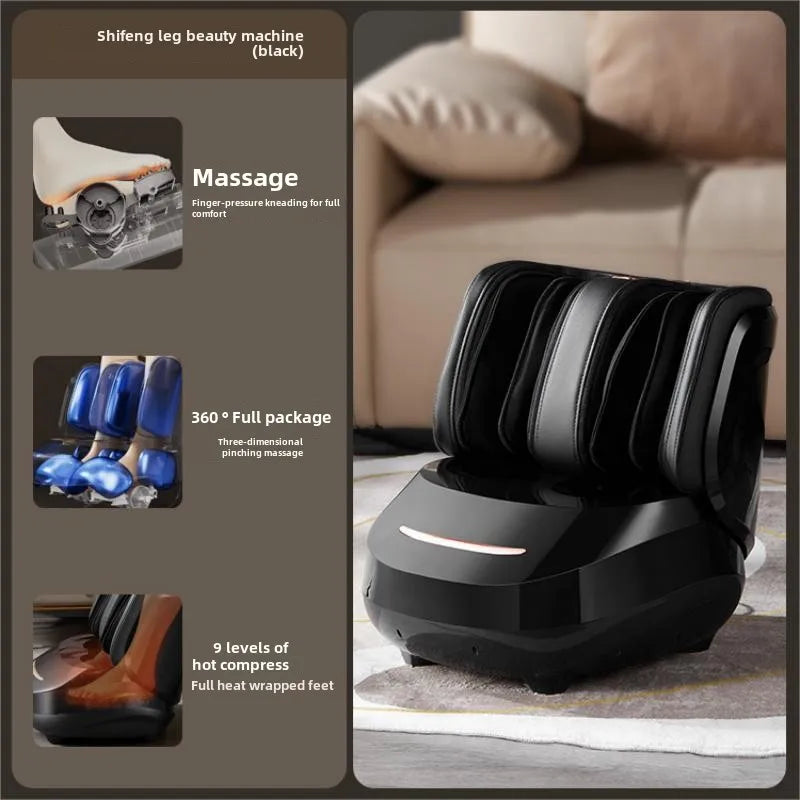
Foot-only machines are the most common home choice. You place your feet inside or on top of the device, choose a setting, and let the machine do the work. Many have kneading rollers, air compression and a heat setting, and many include a timer so a session ends on its own. They are a good fit for people who want a hands-free routine while reading, watching television or simply sitting quietly.
Foot-and-leg massagers cover more of the lower leg. The Elite Foot & Leg Massager is an example of this style sold by Shorper. It has a touchscreen, a choice of 10 massage modes, three timing settings and a removable, washable cover, and it comes in black or white. Because these machines are larger than foot-only models, check the dimensions first, at 530 by 465 by 513 millimetres for this model, and think about where it will live when it is not in use.
Handheld massagers are the most flexible type. The Muscle Bomber – 6-Head Percussion Massager is a handheld example: you hold it, choose a head and a setting, and move it to the area you want to focus on. A handheld tool can be used on feet, legs and other parts of the body, and it is easy to store in a drawer. It takes more effort than a foot-only machine, because you are holding it, but for many people that control is exactly the point.
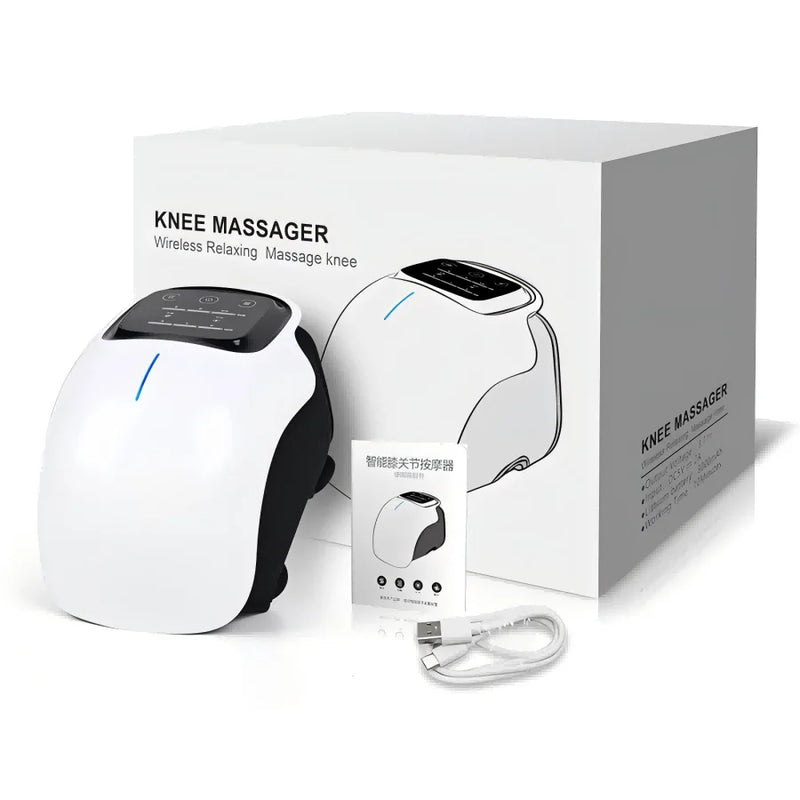
Targeted massagers sit between those two ideas. The KneeEase Massager is a cordless, wrap-style device for the knee area, with three vibration modes, a touchscreen and a rechargeable battery that runs for one to two hours per charge. It shows why it helps to think about the area you want to focus on, rather than buying a general device and hoping it fits every need.
Features to compare before you buy
Start with the massage method. Kneading rollers move in a circular pattern under the feet. Air compression uses pockets that fill and empty, creating a gentle squeeze-and-release feeling. Vibration adds a buzzing sensation at a chosen speed. Some devices combine two or three of these methods, with a choice of intensity levels. There is no single best combination, so look for a device whose descriptions match the kind of feeling you enjoy.
Heat is the next feature to compare. A heat setting warms the surface of the device, which many people find pleasant in winter or after a cold day outdoors. Our guide on how to stay warm this winter is a useful companion here, and a winter commute kit can make the journey home more comfortable before a warm evening at home. Check whether the heat setting can be used on its own, or only with the massage running, and whether the temperature is fixed or adjustable.
Size, weight and noise matter more than most buyers expect. A heavy machine is hard to move from room to room. A wide machine may not fit between chair legs. Some devices are quiet enough to use while someone else is reading nearby, while others are louder. If you can, read the specifications for weight, dimensions and power, and think about the room where the massager will actually be used.
Controls and cleaning are the last two practical points. A simple panel or remote is easier to use in the evening than a complicated menu. A removable, washable cover is a plus for a device that touches bare feet, and a wipe-clean surface is easier to look after than fabric that cannot be removed. For a full routine, you might also like our how to use a microfiber hair towel wrap, which fits the same quiet, at-home style of self-care.
How to choose the best foot massager for your home
Ask yourself three questions first. First, who will use it most, and how often? A machine used daily needs to be easy to set up and put away. A device used once a week can live on a shelf between sessions. Second, where will it be used? A living room, a bedroom and a home office all have different space and noise constraints. Third, what do you want the experience to feel like? A gentle, slow kneading session is very different from a faster, more intense one.
Next, set a budget and stick to it, including any accessories you might want, such as a storage bag or spare covers. A higher price does not always mean a better fit for your home. Compare the number of modes, the size of the foot area, and whether the device is made for feet only or for feet and legs, rather than comparing prices alone. The massagers collection at Shorper is a useful place to browse different styles side by side before you decide.
Finally, think about the rest of your routine. A foot massager works well as part of a calm evening, alongside a evening wind-down routine or a cozy winter evening self-care routine. If you enjoy skincare tools too, our guide to the scalp scrubber vs electric scalp massager comparison, and the Smart Scalp Massager itself, show how a small tool can fit into the same kind of evening.
Shorper picks to compare
The Elite Foot & Leg Massager is the most complete option in this guide, with kneading and rolling settings, air compression, a heat setting, a touchscreen and a washable cover. It is a good starting point if you want a hands-free foot-and-leg device and you have space for a larger machine.
The Callus Grind & Glow Kit and the Callus Remover are useful companions to a massager, rather than massagers themselves. They are made for smoothing rough skin on the feet, and they fit naturally into the same foot-care routine: massage first, then look after the skin on your heels and soles, or the other way around, whichever you prefer. Keep the routine simple and regular, rather than trying to do everything in one long session.
The DeFootoxify Ion Cleanser is a foot-bath device with a control unit and a 30-minute session setting, used with warm water and salt. It is a different kind of foot-care device from a mechanical massager, and it is worth including here because many shoppers compare foot baths and massagers side by side. If you like the idea of a warm soak, it is a separate option to consider on its own terms.
For a wider view of Shorper tools, browse the beauty collection as well as the massagers range. Many of the same ideas apply: choose a tool that fits your routine, keep it clean, and use it regularly rather than occasionally.
Care, cleaning and everyday use
Read the manual for your model before the first use, and follow its instructions for charging, cleaning and storage. Most foot massagers are not made to be used with wet feet unless the manual says so. Keep the device on a flat surface, plug it in as directed, and start with a short session on a gentle setting, especially the first few times.
Clean the parts that touch your feet after use, and let removable covers dry fully before you put them back on. Store the device in a dry place, away from direct heat, and keep cords tidy so they do not become a trip hazard. If you share the device with other people in the household, a quick clean between uses is a simple habit to keep.
A regular routine is easier to keep than an ambitious one. A short evening session, a few times a week, is a realistic habit for most households. Pair it with something you already enjoy, such as a book, music or a quiet cup of tea. Our gua sha beginners guide and our guide to removing tartar from teeth at home are both examples of short, repeatable routines that work the same way: a few minutes, a clear set of steps, and a tool that is easy to reach for. For a broader look at self-care tools, see also our ear wax removal methods guide, which covers another small, routine tool many households keep at home.
Frequently asked questions
What is the best foot massager for home use?
There is no single best foot massager for every home. The best choice for you depends on the space you have, whether you want a foot-only or foot-and-leg device, whether you prefer kneading, air compression or a handheld tool, and how often you plan to use it. Use the questions in this guide to compare a short list, rather than choosing by price alone.
Do foot massagers need a heat setting?
Not necessarily. A heat setting is a popular extra, and many people enjoy it in cold weather, but a massager can be pleasant to use without heat. If you live in a warm home, or you plan to use the device mainly in summer, heat may matter less to you than size, noise or ease of cleaning.
How long should a foot massage session last?
Follow the manual for your model and the timer settings it offers. Many devices include a timer with a choice of session lengths, and starting with a short session on a gentle setting is a sensible way to get used to a new device. Short, regular sessions are easier to keep up than very long ones.
Can I use a foot massager every day?
That depends on the model and on your own routine. Read the manual for the device you choose, start gently, and pay attention to how you feel during and after a session. If you have a health condition or a question about using a massager, speak to a qualified health professional before you buy or use one.
What is the difference between a foot massager and a foot bath?
A foot massager uses mechanical movement, such as kneading rollers or air compression, to massage the feet. A foot bath holds warm water for soaking the feet. Some households own both and use them at different times, while others prefer one or the other. The DeFootoxify Ion Cleanser is a foot-bath style device, while the Elite model above is a mechanical massager, so they are not the same kind of product.
Choosing the best foot massager is mostly about fit: fit for your home, your routine and the kind of massage you enjoy. Compare the types, check the size and the features, and choose the device you are most likely to reach for on an ordinary evening. That is the one that will earn its place in your home.


